Navigation link 1
Navigation link 2
Navigation link 3
The Practical Bits
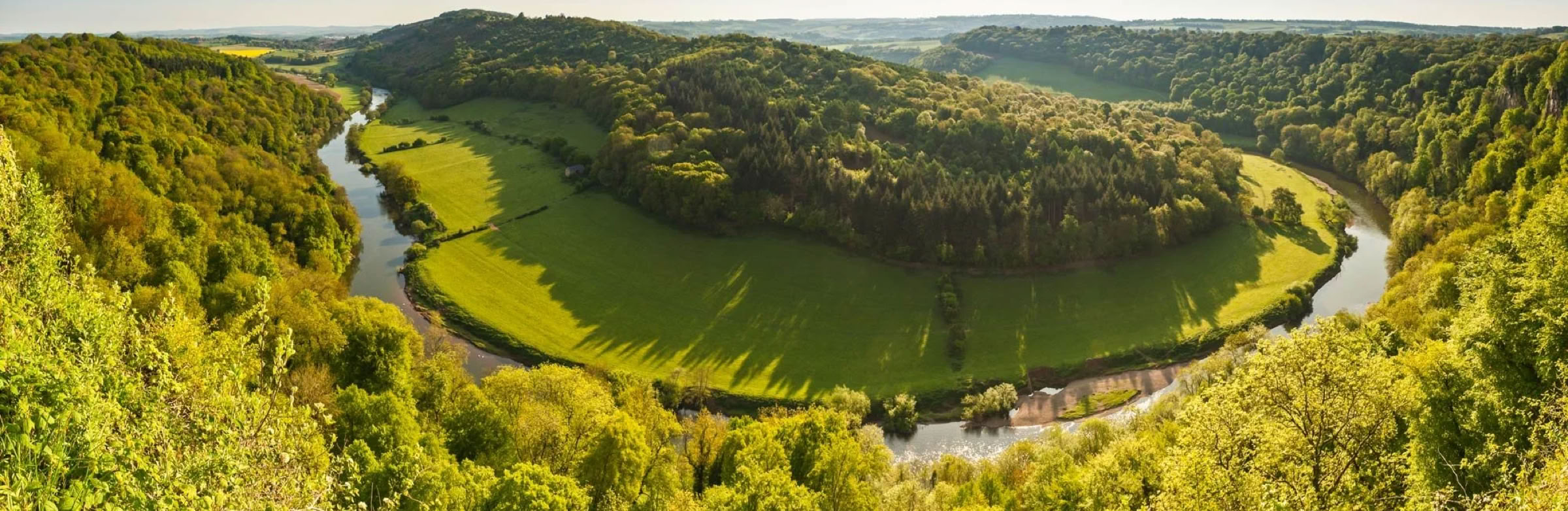
The Wye Valley
Although the Wye Valley has been a hugely popular tourist destination since the 18th century, it has a significant industrial heritage having had a major metalworking history 500 years ago. The Angidy Valley, above Tintern, houses the remains of some of the earliest industrial activity. Wireworks were founded at Tintern in the 1560s and at Whitebrook in 1606.
Copper works and paper mills were also established. Records show that in 1698-1699, 22-24 tonnes of pig iron a week was produced by the Abbey Tintern Furnace. The furnace went out of production in about 1826, before Wordsworth found his way to the area. The present form of villages such as: Brockweir, Llandogo, Redbrook and Tintern are largely a result of their previous 'life' as quayside developments along the industrially-active River Wye.
Travel & Shopping
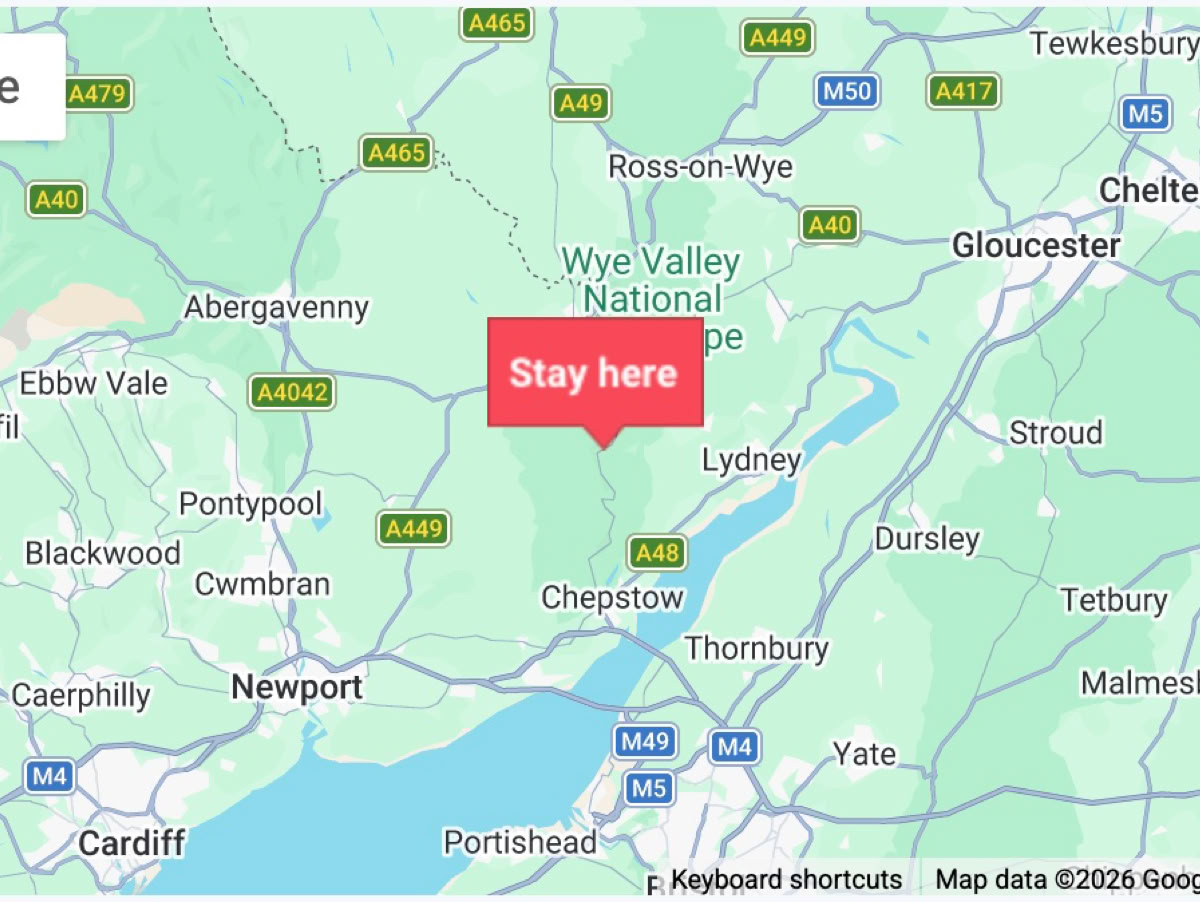
Llandogo is conveniently positioned 3 miles from Tintern, and approximately 8 miles from Chepstow, where you will find a Tesco, LIDL and an M&S food store.
Monmouth is just 7 miles North where you may shop at a well stocked Waitrose, LIDL or M&S food. There are a lot of small independent shops in Monmouth.
Remember there is a minimum cost per unit for wine, beer and spirits in Wales and so Tesco in Lydney and LIDL in Coleford are in England and therefore often offer more competitive prices, albeit a smaller range.
Newport has a large Sainsbury and Cribbs Causeway (large shopping mall) may be found just off the motorway near Bristol.
The nearest ASDA may be found at Abergavenny.
The nearest local shop is Redbrook Village Store, a community run venture
Equipment
The Cottage is well stocked with a wide range of basics, including Coffee, Tea Sugar (both white and brown) and artificial sweeteners.
A range of Herbs and spices, Sunflower oil and olive oil for cooking, Virgin Olive Oil, Balsamic Vinegar, Sea Salt and Black peppercorns in grinders and table salt and white pepper in shakers and gravy powder.
Pots, Pans, Roasting Tins and Yorkshire pudding trays, Beer, Wine and spirits glasses and a full set of crockery and mugs (all with a rural scene)
Extra blankets (for those cool winter evenings) A Smart TV with integrated DVD player and a selection of DVDs, Music CDs, Books and board games ensure there’s plenty to do in the evening or on rainy days.
A Hairdryer is provided in the main bedroom Chest.

The Forest of Dean
is a premier UK wildlife destination, offering a mix of ancient woodland, heathland, and river valleys that support wild boar, fallow deer, and reintroduced beavers and pine martens. Visitors can spot birds like goshawks and pied flycatchers, over 30 butterfly species, and free-roaming sheep.
Top Wildlife Locations
Nags Head RSPB Reserve: Excellent for birdwatching, including pied flycatchers and redstarts.
Woorgreens Lake & Nature Reserve: A spot for watching butterflies, dragonflies, and adders.
Cannop Ponds: A location to see mandarin ducks and sometimes beavers.
Wye Valley Woodlands: Known for its steep limestone cliffs and forest birds.
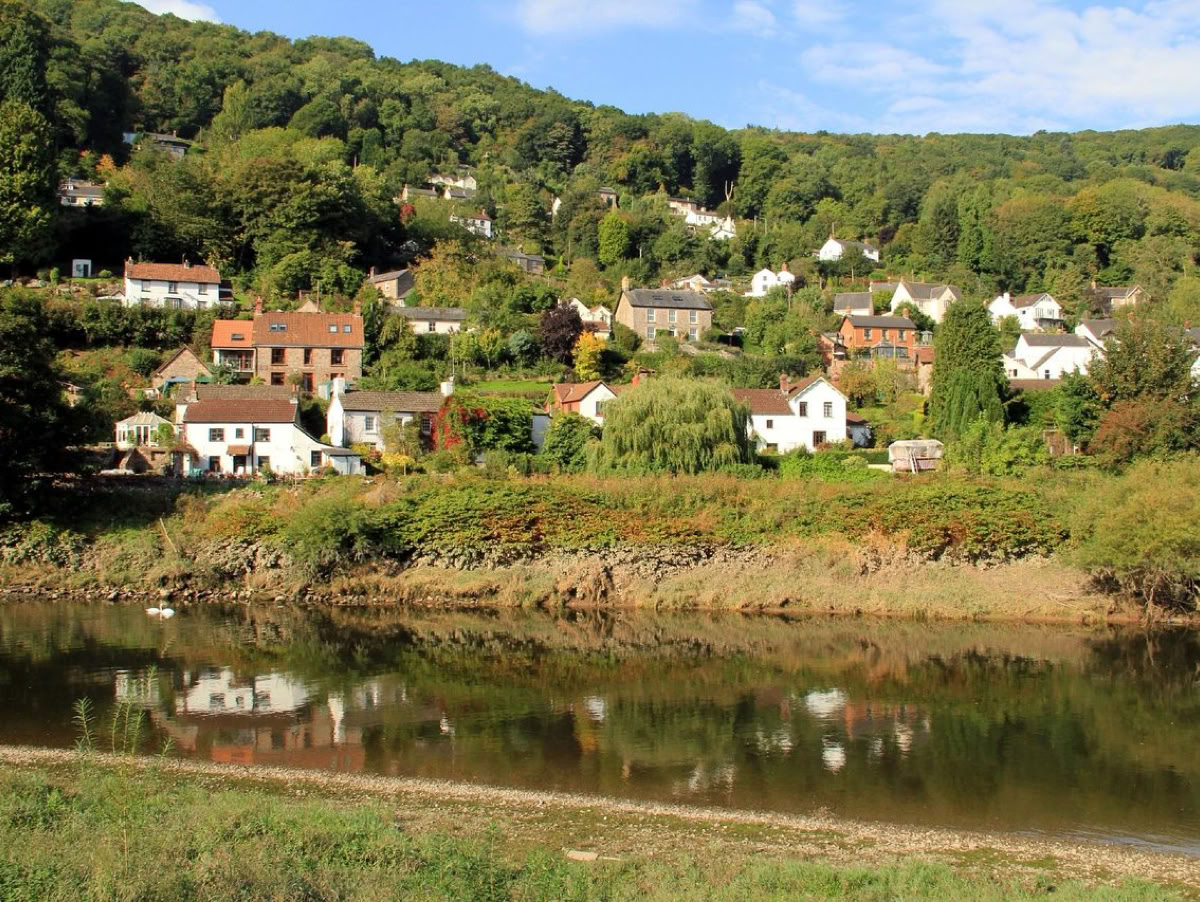
Llandogo
is an historic Monmouthshire village with 6th-century monastic origins, located on the River Wye. It developed as a busy 18th-century trading port known for building trow river boats and exporting timber, later expanding with the 19th-century Turnpike road and Wye Valley Railway. It was renowned for shipbuilding, industrial milling, and its association with Robert Baden-Powell.
Early History and Origins
Monastic Foundation: Llandogo is named after St. Oudoceus (Euddogwy), the 3rd Bishop of Llandaff, who established a 6th-century monastic centre.
Medieval Core: The village center grew around the site of this early monastic, pre-Norman ecclesiastical site near the church.
Surrounding Area: The area was historically part of the Welsh borderlands (Ergyng), with Celtic roots tracing back to the 5th century BC, and later impacted by Roman occupation.
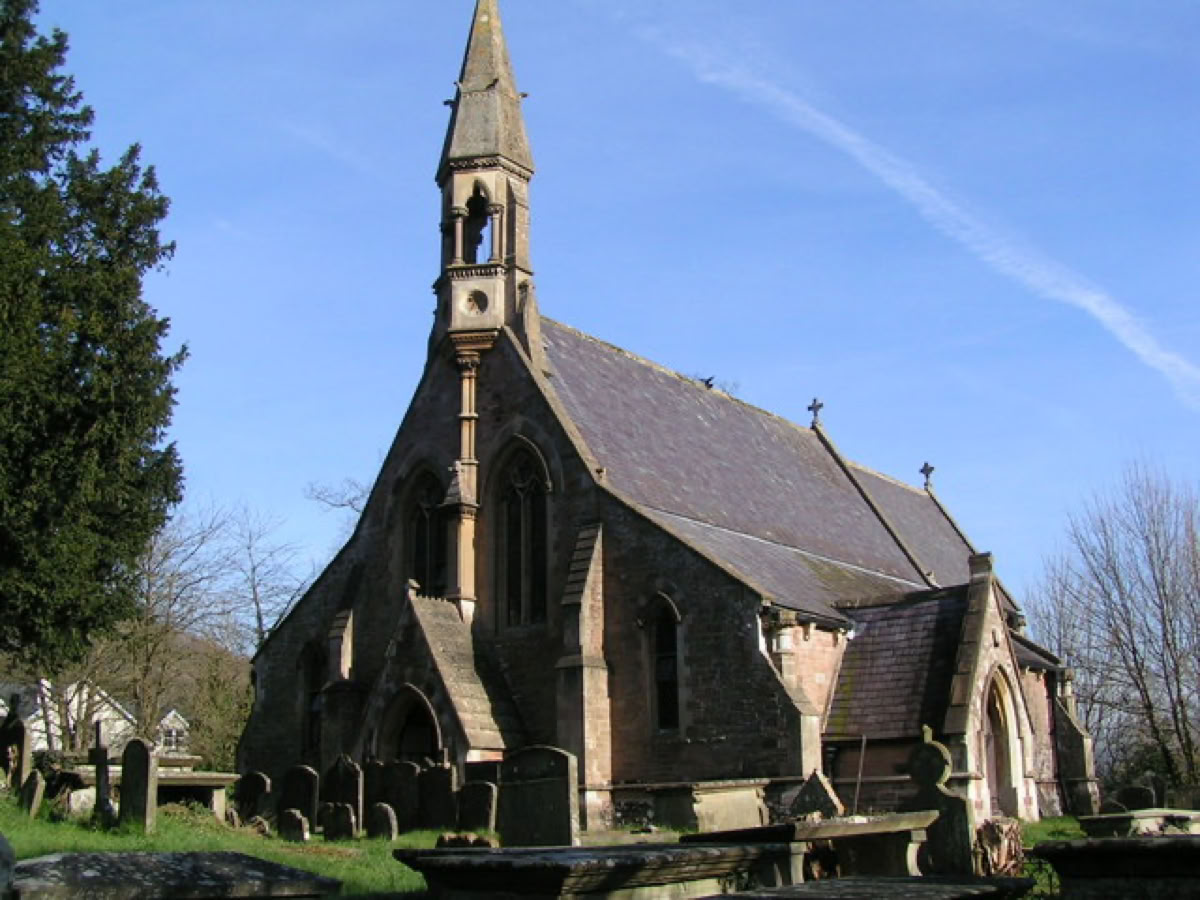
Notable Locations and Associations
The Priory: Built in 1838, this house is notable for its association with Robert Baden-Powell, who spent time there as a child, and later author E.M. Delafield.
Church History: The parish church, located on the site of early religious foundations, was entirely rebuilt in 1860.
Industry Remnants: The area still features reminders of its industrial past, including the sites of former mills in nearby Brockweir.
Surrounding Areas
Cleddon: An area to the west with post-medieval settlements, including scattered cottages and woodlands, which were part of the Beaufort estate.
Bigsweir: Located nearby, it is associated with early Welsh, particularly the 6th-century king Ithel.
Pilstone: Features the 17th/18th-century Pilstone Farmhouse, representing the surrounding agricultural history.